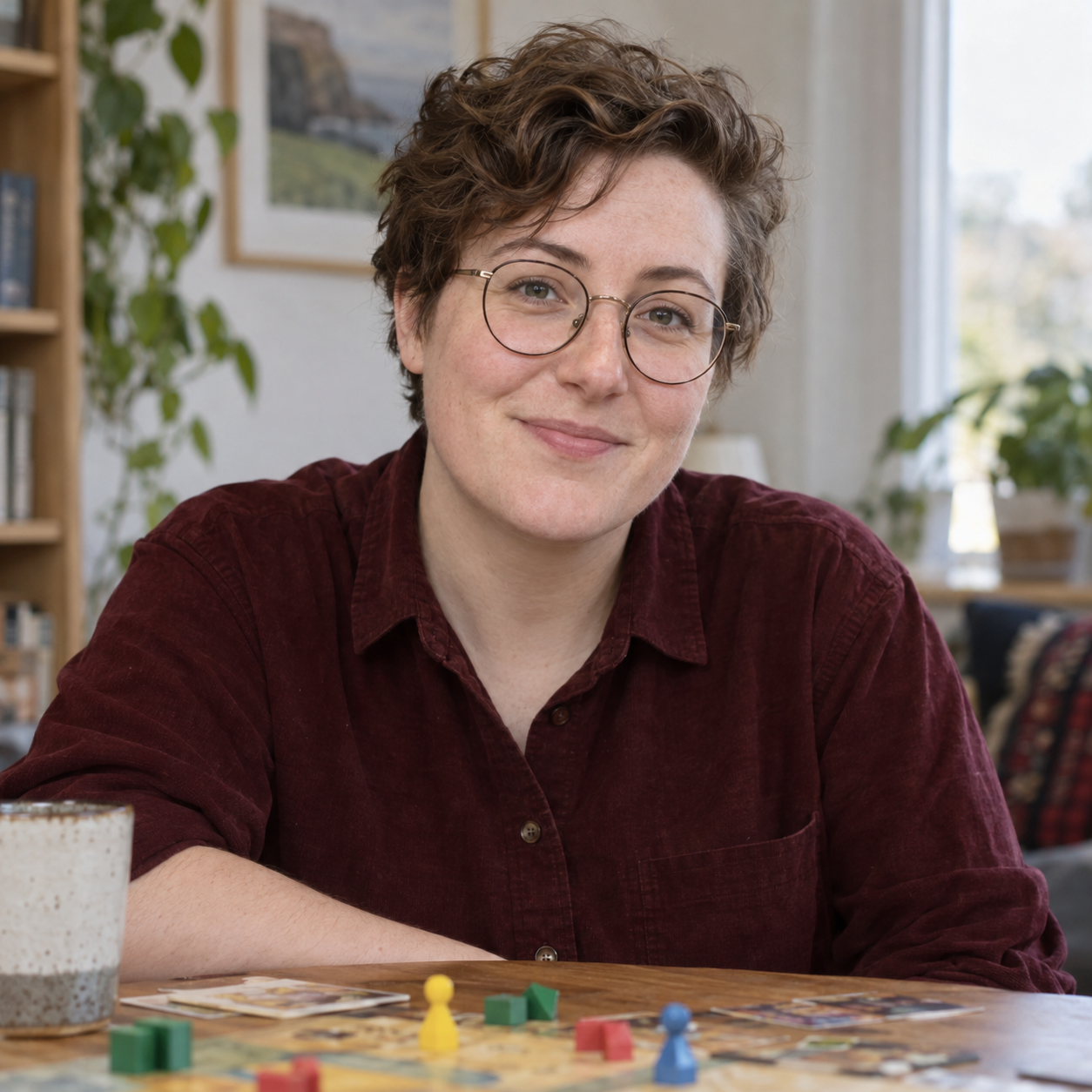
I host board game afternoons in Cork and work in a small events venue. That combination has made me particularly interested in the social architecture of a table: introductions, clear explanations, enough room for a drink and an easy way for a newcomer to ask a question.
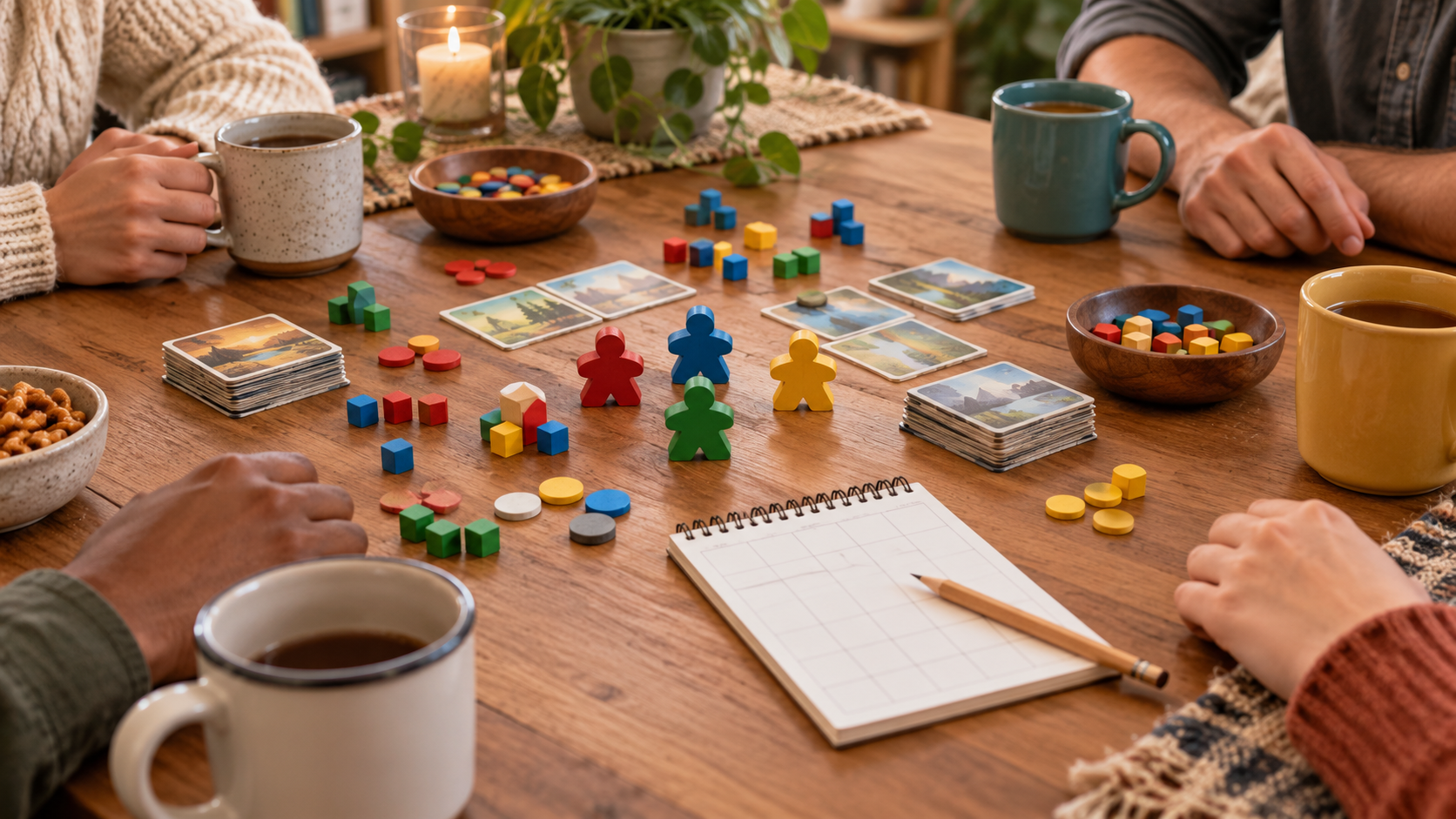
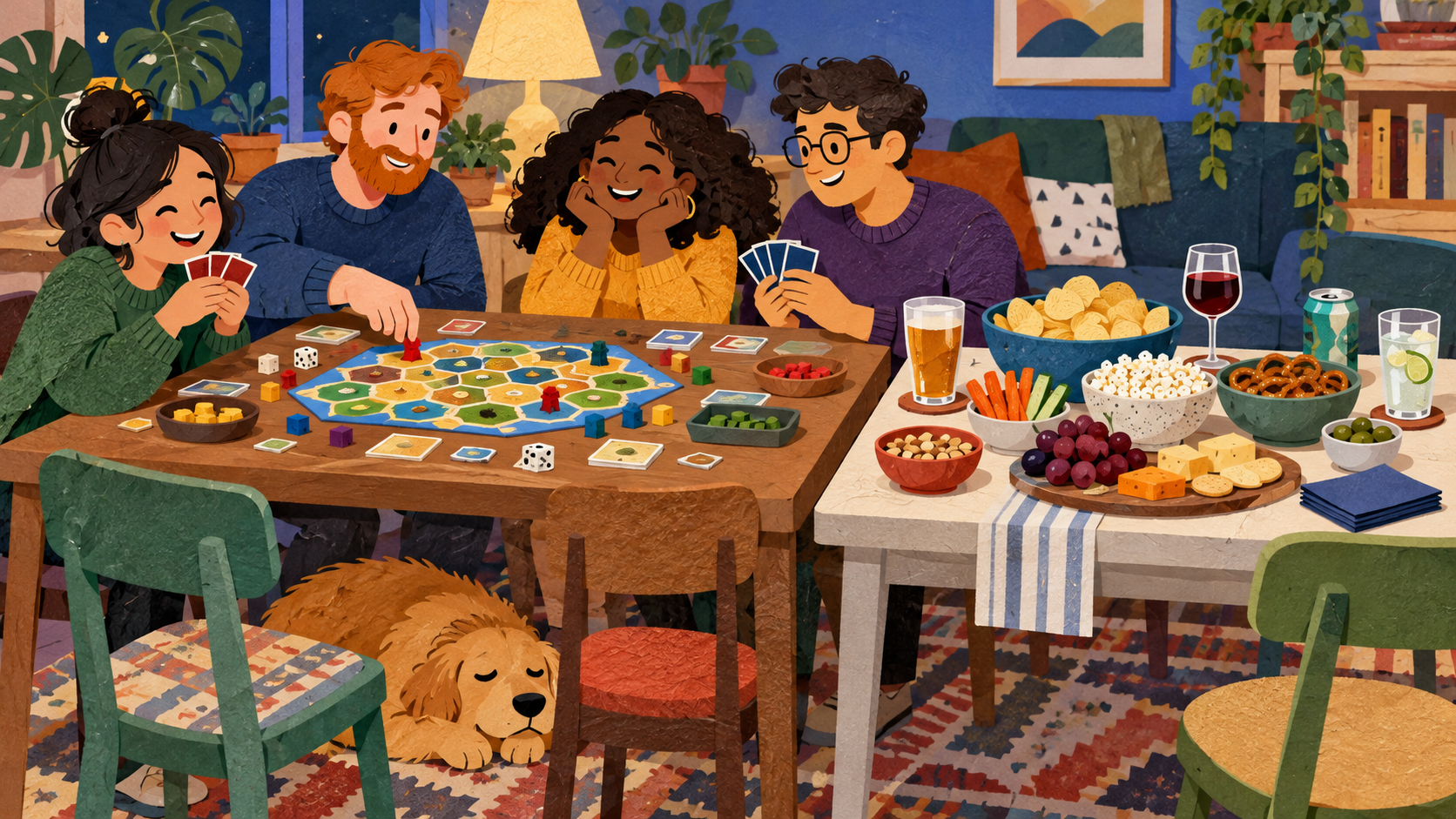
Tabletop Afternoons is about making games part of a pleasant gathering. I write about teaching rules, choosing an evening's shape, managing small practical annoyances and noticing when a group would rather chat than complete another round. Winning can be enjoyable; a room full of people feeling unwelcome is rather less so.
My cupboard contains a mixed collection of games and a box of replacement tokens with no convincing filing system. Away from the table I enjoy baking, local comedy nights and invitations that are flexible enough to survive a delayed bus. Snacks receive thoughtful attention, though no one is expected to bring anything elaborate.
At minute seventeen of the explanation, someone looked at the snack bowl with the expression of a person reconsidering several life choices. I was still teaching the game. Technically. Socially, I had begun a small
The snack bowl lived beside the most crowded part of the board. Every attempt to reach a biscuit required negotiating around tokens, drinks and someone's elbow. We had arranged a fun activity around a recurring